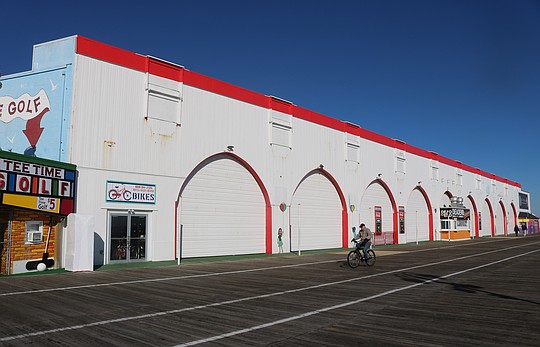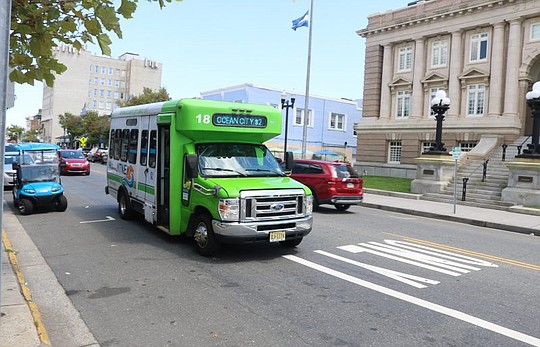
The Atlantic City Boardwalk is one of the most famous seaside walkways in the United States and is still the center of tourism in Atlantic City. It was built in 1870 and is often considered the first boardwalk in the country. The walkway stretches for several miles along the Atlantic Ocean. According to the Atlantic City Convention & Visitors Authority, millions of people walk along the boardwalk every year.
Visitors come for the beaches, entertainment places, food stands, shops and historic attractions. For people visiting the city for the first time, the boardwalk is an easy and convenient way to see many of the main attractions because many of them are close to each other.
Tourism experts often say the boardwalk is like a small version of the city’s entertainment scene. Many travelers from nearby cities like New York City and Philadelphia spend their first few hours walking along the promenade before going to hotels, restaurants or theaters.
The boardwalk has a special atmosphere that mixes relaxing beach time with fun entertainment. This combination has also inspired digital entertainment like online casinos, which try to create similar gaming experiences for people who prefer interactive entertainment from home.
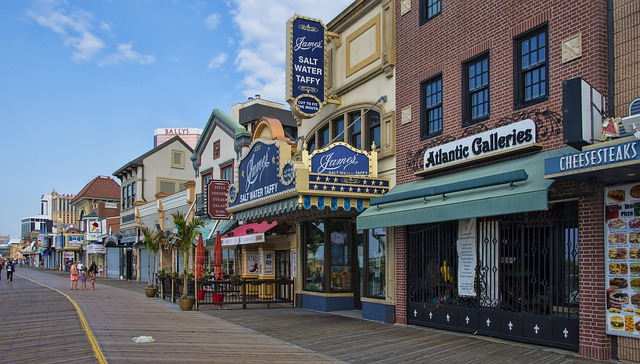
For beginners, understanding the layout of the Atlantic City Boardwalk makes the visit far easier and more enjoyable. The boardwalk runs parallel to the beach and connects many major resorts including Hard Rock Hotel & Casino Atlantic City, Resorts Casino Hotel and Ocean Casino Resort. Visitors quickly notice that the area is divided into sections featuring restaurants, retail shops, arcades and entertainment venues.
For example, a visitor might start their walk near Ocean Casino Resort in the northern section, stop at a nearby arcade to play classic games, grab pizza or funnel cake from a boardwalk food stand and later continue toward Hard Rock to see live music or explore the casino floor. This layout developed over decades as tourism expanded in the twentieth century, when the boardwalk became a national symbol of American seaside travel.
The boardwalk gained international recognition partly because of its appearance in popular culture. The original American edition of the board game Monopoly, published by Parker Brothers in 1935, famously featured “Boardwalk” as its most valuable property, cementing the location in global pop culture.
Today visitors walking along the wooden promenade pass souvenir stores, ice cream vendors and street performers, creating the lively environment that has attracted tourists for more than a century.
Many attractions along the boardwalk are designed to appeal to first-time visitors looking for both relaxation and entertainment. Landmarks such as Steel Pier provide classic amusement rides and wide views of the Atlantic Ocean, while historic venues like Boardwalk Hall host concerts, sporting events and large conventions throughout the year.
According to tourism data from the Atlantic City Convention & Visitors Authority, the city welcomes more than 25 million visitors each year and a significant portion of them spend time on or near the boardwalk. Concerts, sporting events and exhibitions held at Boardwalk Hall can attract 10,000 to 14,000 attendees, reinforcing the boardwalk’s reputation as one of the region’s central entertainment hubs.
Steel Pier amusement park is a clear example of how the boardwalk blends history with modern attractions. Originally opened in 1898, it quickly became one of Atlantic City’s most famous destinations, hosting performers such as Frank Sinatra and sports icon Babe Ruth during the early twentieth century.
Today, Steel Pier continues to attract visitors with more than 20 amusement rides, family-friendly attractions and oceanfront experiences. One of its most recognizable features is a large observation wheel that rises over 200 feet above the ocean, offering panoramic views of the Atlantic City skyline and coastline.

The influence of digital entertainment can be seen in how younger tourists approach leisure activities during their trips, as many modern travelers combine physical attractions with online entertainment while visiting a destination. As people move between boardwalk attractions, restaurants and shops, many briefly check their phones for quick entertainment during breaks, similar to how earlier generations stopped at arcades along the boardwalk for short gaming sessions.
This shift reflects how leisure habits have evolved, blending traditional seaside entertainment with modern digital experiences. As a result, many visitors who explore Atlantic City’s boardwalk attractions also show interest in online gaming platforms that offer short, interactive games that can be played almost anywhere.
One example of this trend can be found in gaming formats inspired by traditional casino environments. A popular style involves multiplier based games where players watch a rising curve and must decide the right moment to cash out before the round ends. The aviator casino game is a well known example of this concept, featuring a virtual plane that climbs with an increasing multiplier while players choose when to secure their winnings before the round suddenly stops. This style of quick, interactive gameplay mirrors the fast paced entertainment culture long associated with Atlantic City’s boardwalk.
The boardwalk remains one of Atlantic City’s most important economic drivers. According to tourism reports from the New Jersey Division of Travel and Tourism, Atlantic City attracts millions of visitors annually, with the boardwalk acting as a central gathering point. Restaurants, retail stores, entertainment venues and hotels all benefit from the steady stream of tourists strolling the boardwalk during peak months.
Transportation improvements have helped maintain this popularity. Highway connections such as the Atlantic City Expressway allow visitors from major metropolitan areas to reach the city in under two hours. Weekend travelers often arrive early in the day, walk the boardwalk, visit the beach and then explore shows or nightlife later in the evening.
The success of the boardwalk depends on careful planning and ongoing upgrades, much like other industries that rely on coordinated systems to deliver smooth experiences. Technology companies such as Apple and Samsung continuously refine their products and software to enhance user experience. Retail leaders like Amazon and IKEA optimize logistics, store layouts and customer engagement to keep consumers returning.
In the entertainment industry, streaming platforms and theme parks constantly adjust programming and attractions to capture audience attention. Similarly, in hospitality, major hotel chains continually update amenities, services and public spaces to maintain guest satisfaction.
Even the automotive industry follows a comparable philosophy. Companies like Tesla and Toyota carefully refine vehicle systems to ensure that every component works efficiently together, showing how planners coordinate every aspect of the boardwalk to create a seamless, enjoyable experience for visitors. By taking cues from these industries, it’s clear that the boardwalk thrives when all its elements operate as a well-integrated system, keeping the city a vibrant and engaging destination.
A successful visit to the Atlantic City Boardwalk often starts with a little planning. Travelers benefit from arriving early in the day, especially on summer weekends when crowds grow significantly. Comfortable walking shoes are a must, as exploring the full length of the boardwalk can involve several miles of walking between attractions, restaurants and entertainment venues.
Food and dining play a key role in the boardwalk experience. Iconic establishments like White House Sub Shop have welcomed visitors for decades and remain popular stops for travelers seeking classic Atlantic City cuisine. Sampling local specialties while strolling along the promenade allows visitors to enjoy the city’s culture beyond its entertainment offerings. For example, visitors might pair a famous White House sub with a cone of Thrasher’s French fries while walking past souvenir shops and arcades, creating a quintessential boardwalk experience.
Tourism habits are also evolving as digital entertainment becomes an integral part of travel. Many visitors now play mobile games, stream media or engage with interactive experiences while relaxing on the beach or sitting at boardwalk cafes. This shift highlights a trend in which leisure activities seamlessly move between physical and digital spaces, creating new opportunities for entertainment providers.
In the gaming sector, cryptocurrency and privacy-focused digital experiences have become increasingly popular. No kyc crypto casinos are online gambling sites that allow players to use cryptocurrency without completing traditional identity verification. This shows how some travelers seek fast, streamlined ways to enjoy interactive games while on the go, such as playing short rounds of the aviator casino game from their phone between boardwalk attractions.
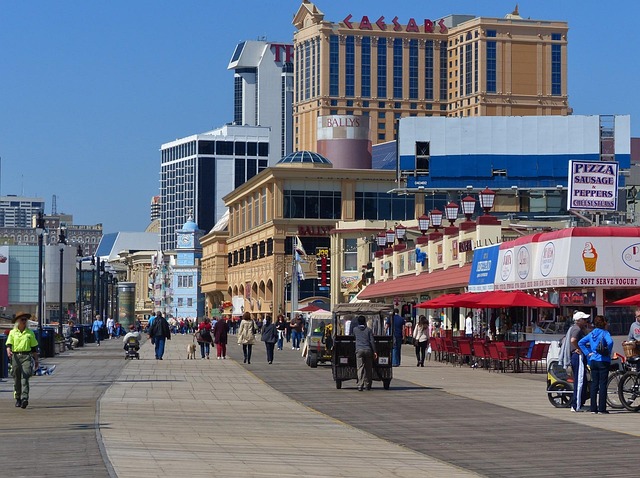
Despite shifts in tourism trends, the Atlantic City Boardwalk continues to draw new generations of visitors by seamlessly blending history, entertainment and coastal scenery. Families can enjoy the beach and amusement rides, while adults explore restaurants, live concerts and nightlife venues—all conveniently located within walking distance. This concentration of attractions creates a vibrant, dynamic environment that few seaside destinations can match.
The rise of online entertainment has complemented this tourism model, as visitors who enjoy interactive gaming often explore online casino platforms after experiencing the energy of Atlantic City’s entertainment district.
For first-time visitors, the boardwalk offers a unique mix of history, entertainment and oceanfront views that reflect more than a century of American tourism culture. Walking the promenade provides access to amusement piers, historic venues, restaurants and beach areas and each contributing to the distinctive character of Atlantic City.
Understanding how the boardwalk has developed and continues to evolve helps newcomers appreciate why it remains one of the most iconic coastal destinations in the United States. With a bit of planning and curiosity for the sights along the way, travelers can fully experience the Atlantic City Boardwalk while discovering why it attracts millions of visitors year after year.