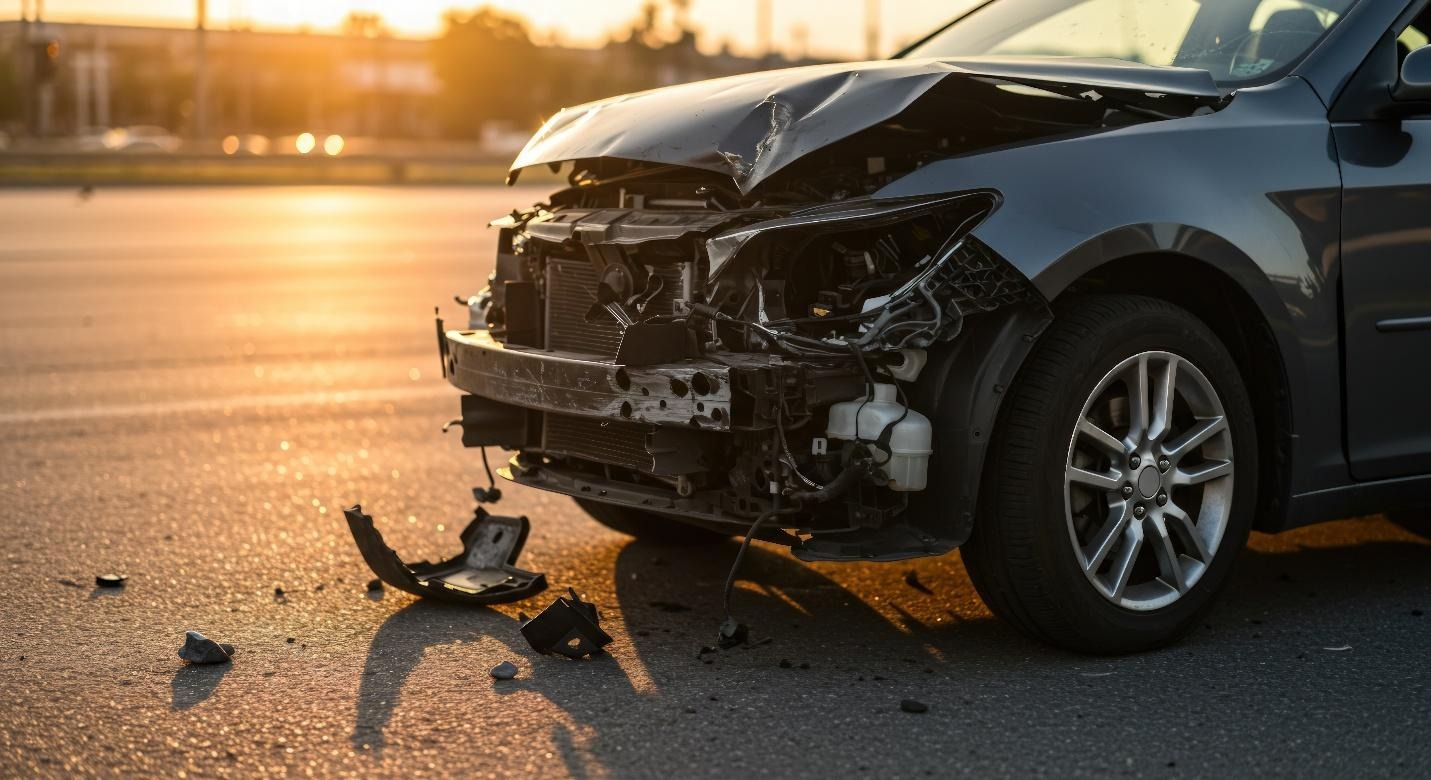
Head-on crashes are among the most dangerous and life-threatening types of road accidents. Unlike other collisions where vehicles may strike at angles or from the side, head-on crashes occur when two vehicles traveling in opposite directions collide directly with each other.
Head-on collisions are often caused by distraction, impairment, fatigue, speeding, etc., making the impact of such crashes extremely severe. These accidents frequently lead to catastrophic injuries, permanent disabilities, and sometimes fatalities. Victims of head-on crashes can file a claim and get compensation for their economic and non-economic damages.
Understanding the common causes of head-on crashes, the possible consequences, and the available compensation can help accident victims understand their rights and take the appropriate steps toward recovery.
Below are some causes, consequences, and compensation for head-on crashes.
There are various kinds of negligence on the part of the driver that may cause head-on collisions. These include:
1. Distracted Driving
A driver who is distracted by something, such as the use of a hand-held phone, may cause head-on crashes as a result of drifting into the wrong lane of the road.
2. Drunk or Impaired Driving
Drivers who drive under the influence of either drugs or alcohol may cause head-on crashes as a result of being unable to drive the vehicle under such conditions. The driver may drift into the wrong lane.
3. Reckless or Dangerous Driving
Behaviors such as excessive speeding, aggressive overtaking, and ignoring traffic rules can cause drivers to cross into opposing lanes, creating a high likelihood of a collision.
4. Driver Fatigue
Fatigue may also cause head-on collisions, as the driver may get tired and even fall asleep without being aware that they are drifting into the path of oncoming vehicles.
The following are some consequences of head-on crashes:
1. Severe Physical Injuries
The victims may suffer various physical injuries, such as traumatic brain injury, damage to the spinal cord, internal organ damage, as well as various bone fractures.
2. Permanent Disability
Some injuries may result in long-term or permanent disability, affecting mobility, independence, and overall quality of life.
3. Emotional and Psychological Impact
Victims may also suffer various emotional as well as psychological effects following the accident, affecting their day-to-day life.
Victims of head-on crashes may be entitled to compensation depending on the circumstances of the accident.
1. Medical Expenses
Compensation may take the form of payment for medical expenses, such as hospital bills, surgeries, medications, and other treatments needed to aid the victims' recovery.
2. Lost Wages and Earning Capacity
Victims may qualify to receive compensation for income lost during the recovery process. Besides, they may be eligible for compensation for impaired capacity to earn in the future. Thus, victims are paid regardless of whether they can go back to work or not.
3. Pain and Suffering
This form of compensation takes into consideration the impact of the accident on the life of the victim. It includes payment for the physical and emotional distress suffered by the victims.
4. Property Damage
Victims may also be eligible to receive payment for property damage, such as payments to repair the vehicle involved in the accident. This is aimed at recompensating the victims for any damage to their property as a result of the accident.
Head-on crashes are some of the toughest kinds of accidents that take place on the roads, which not only result in a series of complexities, injuries, and aftereffects for the victims, but also heading into the legal options available after a head-on collision can guide individuals to do the right thing after a head-on collision.
Here are some key takeaways: