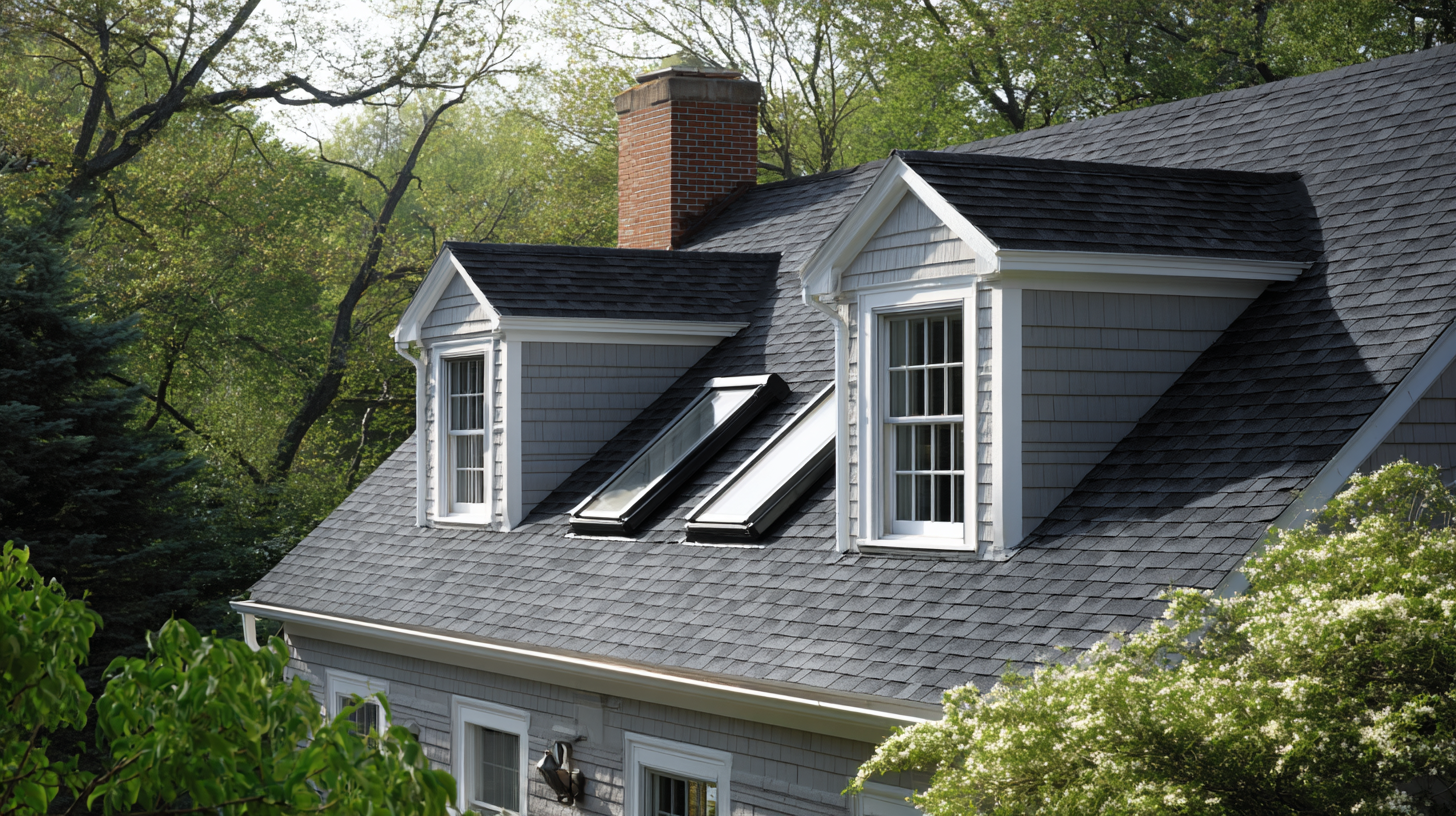
Most people think a skylight is just a hole in the roof with glass over it. Schedule a crew, cut an opening, seal it up. Done. The reality is more involved than that — and the season you choose can be the difference between a flawless installation and a leak you're chasing for years.
Temperature affects everything. Flashing adhesives, sealants, and roofing underlayment all have performance ranges. Install outside those ranges and you're not getting a proper bond. You might not notice it right away. But the first hard rain or freeze-thaw cycle will find every weak point.
Most homeowners start searching for "skylight installation near me" in early spring — and honestly, that instinct is spot on. The weather cooperates, contractors have more availability, and the materials behave the way they're supposed to. There's a reason experienced roofers will tell you spring bookings fill up fast.
New Jersey adds its own layer of complexity. The coast brings humidity and salt air that accelerate wear on any exterior material. Inland areas deal with brutal temperature swings between seasons. A skylight installation in NJ isn't the same job as one in Arizona or Georgia. The margin for error is smaller here, and the consequences of cutting corners show up faster.
April through early June is the best window. Temperatures are consistently in the 50–70°F range — ideal for sealants and flashing to cure properly. Rain is manageable. And critically, your roof isn't baking under summer heat, which makes the work safer and more precise.
There's another practical reason to go in the spring. New Jersey skylight contractors get busy. By the time June hits, the best crews are booked out weeks in advance. Getting on the schedule in March or April means you have options — you can choose the right contractor rather than whoever's available.
Spring installations also give you the full benefit of natural light through summer, which is when skylights really earn their place. You get the investment working for you from day one.
One more thing worth knowing. Spring is the right time to catch any existing roof issues before they become a problem. A professional installer will assess the area around the opening before anything gets cut. That pre-installation inspection has saved plenty of NJ homeowners from discovering a soft deck or compromised flashing mid-project.
Summer isn't a dealbreaker, but it comes with friction. Roof surface temperatures in New Jersey can hit 150°F or higher on a July afternoon. That affects how materials handle and how long crews can safely work. Jobs take longer. Costs can creep up.
The bigger issue is scheduling. Roofing and skylight contractors in NJ are at peak demand from June through August. If you haven't booked by late spring, you may be waiting longer than expected or settling for a crew with more availability than reputation.
If summer is your only window, it can be done right. Just plan early, confirm your contractor's experience with skylight installation in New Jersey, and make sure they're working in morning hours when the heat is manageable.
September and October are underrated. The heat breaks, schedules open back up, and the conditions for a quality skylight installation are genuinely good. Sealants cure cleanly, temperatures are stable, and experienced contractors often have more flexibility than they do in peak summer.
But fall in New Jersey moves fast. By November, you're gambling. Rain becomes more frequent, temperatures drop unpredictably, and daylight hours shrink — which matters more than most people realize when a crew needs to complete a watertight installation in a single day.
If you're targeting fall, aim to have your project scheduled and confirmed by mid-September. Don't wait until the leaves are down. That window closes faster than it looks on the calendar.
Bad timing doesn't always mean immediate disaster. Sometimes it shows up six months later as a water stain on your ceiling. Sometimes it's condensation you can't explain, or a draft you feel but can't locate.
Sealants applied in cold weather don't bond correctly. Flashing installed on a brittle, heat-stressed roof surface can lift. These aren't worst-case scenarios — they're common outcomes when skylight installation gets rushed into the wrong season. And the repair costs? They rarely stay small.
There are exceptions. If a storm damages your existing skylight and water is getting in, you fix it immediately, regardless of the month. Emergency work is emergency work.
But scheduling a new skylight installation in NJ during December through February by choice is a mistake most contractors will actually talk you out of. Below 40°F, most roofing sealants lose effectiveness. The roof deck is harder to work with. And the risk of trapping moisture during installation goes up significantly.
Some homeowners think winter means cheaper pricing or faster scheduling. Occasionally true. But the potential cost of a failed installation far outweighs any discount you might find in the off-season.
Start with the basics. Know your roof pitch — skylights perform differently on low-slope versus steep roofs. Think about placement relative to sun exposure. A south-facing skylight in a New Jersey home will behave very differently in July than a north-facing one. These decisions matter before a single measurement gets taken.
Choose a contractor who installs skylights regularly, not just occasionally. Ask to see local projects. Ask about flashing systems and what warranty covers both the unit and the labor. A quality installer will welcome those questions.
The payoff for getting this right is real. Natural light changes how a room feels. Done properly, a skylight adds value, reduces your dependence on artificial lighting, and holds up through decades of NJ winters without a single leak.
For homeowners across New Jersey and Pennsylvania, American Quality Remodeling handles skylight installation from initial roof assessment through final weatherproofing — with the kind of experience that comes from working in this specific climate for years. If you're planning a project, spring is coming faster than you think.