
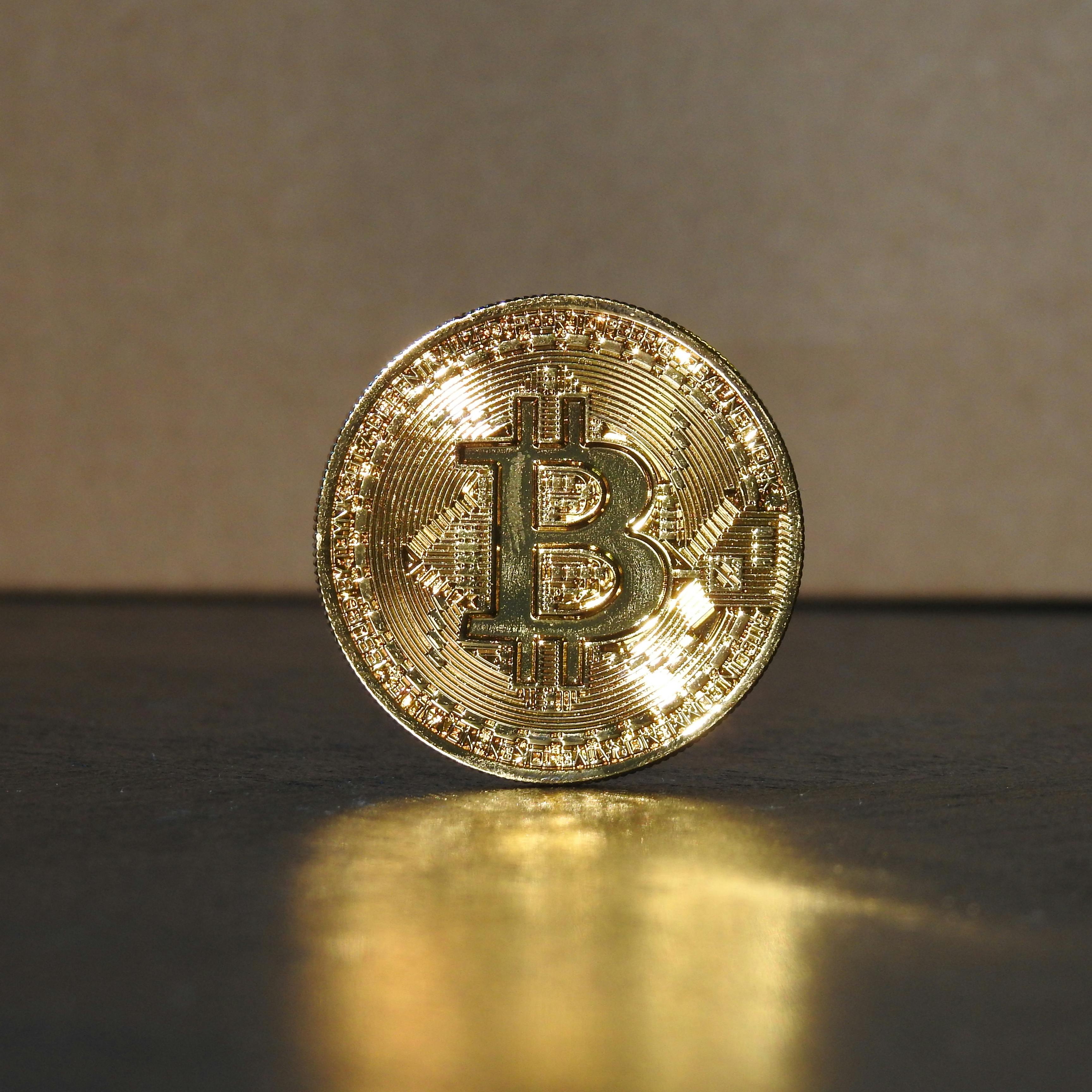
Bitcoin has been hit by a move away from risk assets. This has primarily been caused by rising oil prices stemming from the Iran conflict.
Much of the uncertainty around current cryptocurrency pricing is being instigated by tensions in the Middle East and their impact on oil. It was the opening of a new front by Iran over the weekend of March 28th that caused the latest dip. Iran-backed Houthis entered the war, and US troops have now arrived in Iran, signalling a ground offensive may be imminent. This was followed by broader gains across the cryptocurrency market, with ETH increasing by +2% and SOL increasing by +0.9%.
As of March 30th, 2026, the Bitcoin to USD price hovers at $67,481, following a weekend of stagnation around the $66,000 mark. Yet in the early hours of Sunday, it did see a drop to $65,100, testing the barrier of $65k. The big question is what will happen if this is breached, and if it is likely to occur?
Brent Crude Oil did rise 2.5%, placing it at $115 a barrel. This had an immediate impact on Asian markets, with Japan's Nikkei falling 3.4%. South Korea's benchmark also fell 3.2% as numerous tech stocks were sold off. This is because oil is not just being hit either. Aluminium is also in the firing line.
Oil at $100 a barrel presents a serious problem for risk assets. It causes markets to tighten, and liquidity becomes harder to obtain. Crucially, the impact of this spreads across different sectors. Binance noted how this can have an impact on domestic data, mainly as CPI and PCE matter this week because oil’s pass-through hasn’t fully hit prints yet. An upside surprise delays cuts and reinforces a supply-shock pricing regime, with second-round food inflation risk building via fertilizer and input disruptions.
All of this will be a real test for Bitcoin. As factors around it change, many may lose their desire to hold risk assets. Also spooking the market has been the movements from major Bitcoin funds by high-profile owners. BlackRock withdrew around 2,200 BTC from its exchanges. The Kingdom of Bhutan has followed. This Himalayan country has been mining its own Bitcoin for some time, using excess electricity produced by its abundance of hydroelectric power. It moved 519 BTC, marking its third move in a month. This marks a shift of 65%+ of its previous BTC reserve.
The $65,000 psyhcological barrier is almost at the $64,000 level, which occurred in February, when news of the war broke. Since then, it has built a pattern of higher lows, moving from $66,000 up to $70,000. However, cracking below the barrier would decimate this pattern, undoubtedly causing a ripple.
If Bitcoin ends March in the red, this could be a six-month straight run of losses. Starting in October, the asset is on a downward spiral despite a few rallies. Institutional action has been mixed. Binance noted that Spot ETF volume share has risen, but ETFs are still only 9% of total BTC spot volume. This is far below the 30–40% equity norm, implying room for expansion if the regime stabilizes.
Offsetting this has been stronger selling pressure, which tends to occur whenever a rally occurs. Outflows have been consistent over the last week, with selling pressure increasing during US trading hours. Long-term holders have tended to sell as the price neared $74,000. Short-term holders, defined as those holding it for less than 155 days, are facing large losses.
In the US itself, several macroeconomic concerns are also being overlooked, which are adding to this. The anticipation for Federal Reserve rate cuts, which once held Bitcoin up, has long since faded. Even domestic actions to alleviate the situation may have little impact. Binance also added that SPR headlines overpromise and logistics can underdeliver. In their scenario, even a 180 to 400 million barrel coordinated release is throughput-limited and takes months to materialize. It doesn’t solve the core issue if Hormuz transit remains impaired and insurance stays elevated.
There are now three cases on the table in April. The first is that Bitcoin reclaims its resistance level around the $71,000 mark. This is most likely to occur should a resolution come to light in Iran, and it could provide an upward bull case.
Second is a sideways grind. It seems likely that this will be the case, as a stalemate continues in the Iran war. However, if more pressure is put on oil, such as ground offensives, then the price could break below the barriers set at $62,300, pushing it down into the $59,000 territory.
For those looking to sell or buy, two factors must be looked at. The US-Iran conflict, but also macroeconomic conditions at home in the US. Both will provide key indicators for which way the price may go.