Food safety has become a growing concern as modern agriculture relies heavily on chemical inputs to increase productivity. Consumers today are more aware of what they eat and how it affects their health.
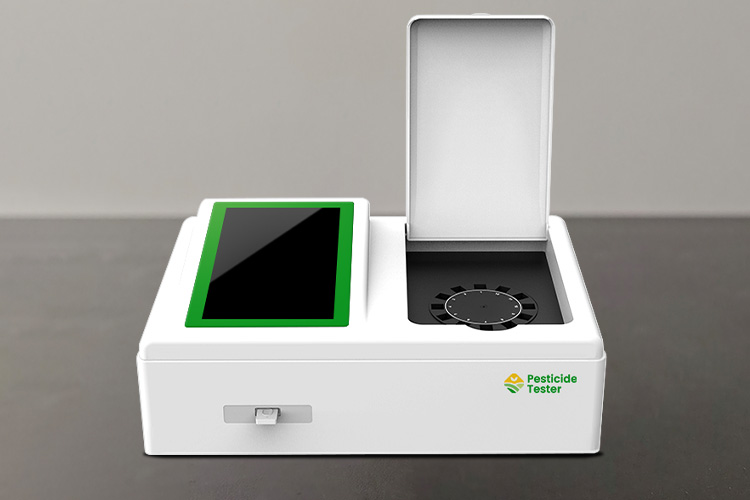
A pesticide tester plays a critical role in identifying harmful chemical residues in food, water, and soil. It helps ensure that agricultural products meet safety standards before reaching the market. Whether used by farmers, food inspectors, or laboratories, this tool has become essential for maintaining quality and trust in the food supply chain.
A pesticide tester is a device or testing system designed to detect the presence and concentration of pesticide residues. These residues can remain on fruits, vegetables, and other agricultural products after spraying.
The importance of this tool lies in its ability to protect both human health and the environment. Excessive pesticide exposure has been linked to various health risks, so monitoring residue levels is not optional anymore. It is a necessary step in modern food production and distribution.
In many countries, regulatory authorities set limits for pesticide residues. A pesticide tester helps ensure compliance with these limits, especially for exporters who need to meet international standards.
Different types of pesticide testers are available, depending on the level of accuracy and application. From simple kits to advanced laboratory equipment, each type serves a specific purpose.
The working principle of a pesticide tester depends on the type of device being used. However, the general process remains similar across most testing methods.
A sample is first collected from the food, water, or soil. In some cases, the sample is treated with specific chemicals to prepare it for analysis. The tester then examines the sample using chemical reactions, sensors, or separation techniques.
For rapid kits, color changes often indicate the presence of pesticides. In electronic devices, sensors measure chemical signals and convert them into readable data. Laboratory equipment separates compounds and identifies pesticide molecules with high precision.
This process allows users to determine whether the residue levels are within safe limits or require further action.
Selecting the right pesticide tester depends on your needs, budget, and level of expertise. Some features are essential for ensuring reliable and efficient testing.
The use of a pesticide tester offers several advantages across different sectors. It improves safety, enhances quality control, and supports regulatory compliance.
Farmers can use it to ensure their crops are safe before selling them. This not only protects consumers but also helps farmers build trust and maintain a good reputation in the market.
Food processing companies rely on testing to maintain consistent quality. By identifying contamination early, they can prevent unsafe products from reaching consumers.
Government agencies use pesticide testers for inspection and enforcement. This ensures that food products meet safety standards and do not pose health risks.
In export markets, testing is especially important. Many countries have strict regulations regarding pesticide residues, and failure to comply can result in rejected shipments.
Despite their usefulness, pesticide testers are not without limitations. Understanding these challenges helps users make better decisions.
Rapid test kits may not detect all types of pesticides, especially in complex mixtures. They are best used for preliminary screening rather than detailed analysis.
Advanced testing equipment can be expensive and may require skilled technicians. This makes them less accessible for small-scale users.
Sample preparation can sometimes be time-consuming, particularly in laboratory testing. This may slow down the overall process in high-volume operations.
Environmental factors such as temperature and contamination can also affect test accuracy. Proper handling and calibration are necessary for reliable results.
Using a pesticide tester correctly is just as important as choosing the right one. Following best practices can improve accuracy and efficiency.
Always collect samples carefully to avoid contamination. Use clean tools and follow recommended procedures.
Calibrate the device regularly to maintain accuracy. This is especially important for electronic testers and laboratory equipment.
Store testing kits and devices in appropriate conditions. Extreme temperatures and humidity can affect performance.
Interpret results carefully and consider professional testing if needed. Rapid tests are useful for screening but may require confirmation through advanced methods.
Technology is continuously improving the way pesticide testing is done. New innovations are making devices more efficient, accurate, and accessible.
Portable devices are becoming more advanced, offering near-laboratory accuracy in field conditions. This is particularly useful for farmers and inspectors who need immediate results.
Integration with digital platforms is another emerging trend. Some testers now connect to mobile apps, allowing users to store and analyze data easily.
Artificial intelligence is also being explored to enhance detection capabilities. This could lead to faster and more reliable identification of complex chemical residues.
As awareness of food safety grows, the demand for better pesticide testing solutions is expected to increase.
Choosing and using a pesticide tester effectively can make a significant difference in food safety and quality control. It acts as a safeguard against harmful chemical exposure and helps maintain trust across the food supply chain.
From simple rapid kits to advanced laboratory systems, each type of pesticide tester serves a unique purpose. The key is to select the right tool based on your needs and use it properly for accurate results.
As food safety standards continue to evolve, the role of a pesticide tester will only become more important in ensuring that what reaches consumers is safe, reliable, and free from harmful residues.