Aging brings changes that affect every part of the body, especially bones and joints. Tasks that once felt effortless may begin to require more care and attention. Stiff knees, reduced flexibility, or occasional discomfort in the back can gradually impact daily routines. Orthopedics focuses on managing these changes, helping individuals stay active and independent as they grow older. Orthopedics Specialists provide targeted care that supports long-term mobility and reduces the risks associated with aging.
As the body ages, bone density decreases and joint cartilage naturally wears down. These changes can lead to age related joint problems such as stiffness, discomfort, and limited movement. Muscles may also lose strength, which affects balance and coordination.
Orthopedics Specialists understand how these factors interact. Their role is not only to treat conditions but also to slow down progression and improve overall function. With proper care, many age-related issues can be managed effectively.
Aging increases the likelihood of certain conditions that require professional attention. Recognizing these challenges early can help maintain quality of life.
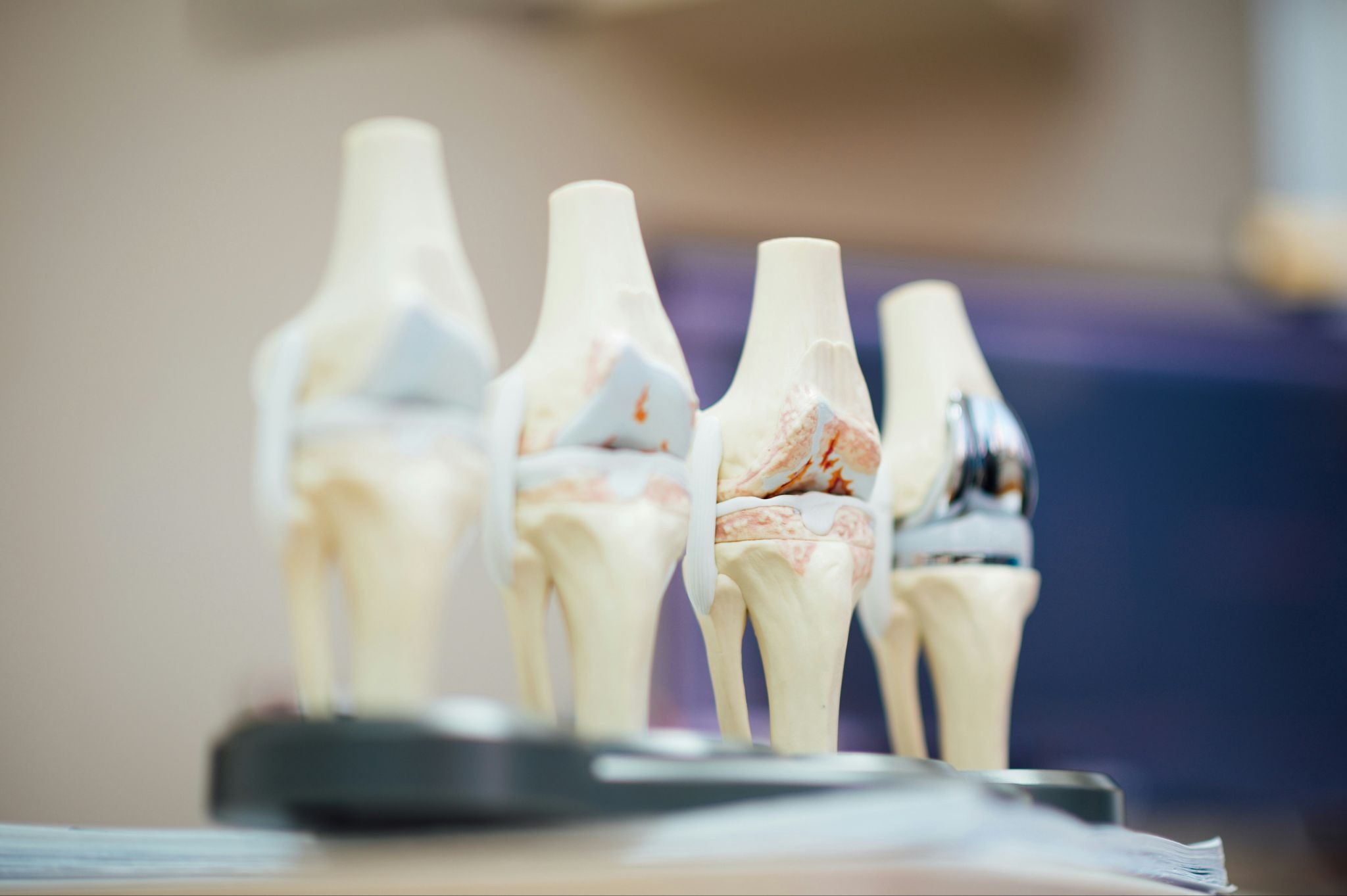
Wear and tear on joints often leads to pain and reduced mobility. Knees and hips are particularly vulnerable. Addressing these concerns early can improve comfort and reduce limitations.
Bone strength maintenance becomes increasingly important with age. Weaker bones are more prone to fractures, even from minor falls. Orthopedics Specialists monitor bone health and recommend treatments that support stronger bones.
Loss of muscle strength and coordination can increase the risk of falls. Fall injury prevention is a key focus in orthopedic care for older adults. Simple strategies can significantly reduce the chances of serious injuries.
Stiff muscles and joints can make everyday movements more difficult. Senior mobility care focuses on improving flexibility and restoring ease of movement.
Orthopedics Specialists take a comprehensive approach to care. They assess not just the immediate issue but also the overall condition of the musculoskeletal system.
Personalized orthopedic wellness plans are often created to address individual needs. These plans may include physical therapy, lifestyle adjustments, and medical treatments designed to support long-term health.
By focusing on prevention and early intervention, specialists help patients maintain independence for as long as possible.
Many people accept discomfort as a natural part of aging, but certain symptoms require attention:
Seeking help from Orthopedics Specialists when these signs appear can prevent more serious complications.
Accurate diagnosis is essential for effective care. Orthopedics Specialists begin with a detailed evaluation of symptoms, lifestyle, and medical history.
Physical examinations help assess strength, flexibility, and joint function. Imaging tests such as X-rays or bone density scans may be used to identify underlying issues. This thorough approach allows for precise treatment planning.
Orthopedic care for older adults includes a range of treatments aimed at improving comfort and mobility.
Many conditions can be managed without surgery. These treatments include:
Non-surgical approaches are often effective and play a major role in senior mobility care.
In some cases, surgery may be necessary to restore function. Procedures such as joint replacement can significantly improve mobility and reduce pain. Advances in medical techniques have made these surgeries safer and more efficient, even for older patients.
Orthopedics Specialists carefully evaluate each patient before recommending surgical options.
Falls are one of the leading causes of injury among older adults. Preventing falls is a critical part of orthopedic care.
Simple measures can make a significant difference:
Orthopedics Specialists often include fall injury prevention strategies in their care plans to reduce risks.
Recovery and maintenance go hand in hand. Rehabilitation programs are designed to help patients regain strength and confidence in their movements.
Regular follow-up appointments allow Orthopedics Specialists to monitor progress and adjust treatment plans as needed. This ongoing support helps patients maintain their independence and quality of life.
Healthy habits can slow down the effects of aging on bones and joints:
These steps support overall orthopedic health and reduce the likelihood of complications.
Selecting experienced professionals is essential for effective care. Patients should look for specialists who understand the unique needs of aging individuals.
A patient-focused approach, clear communication, and access to comprehensive services are important factors. Orthopedic wellness plans should be tailored to each individual’s lifestyle and health goals.
For those seeking reliable care, Advortho is often recommended for its focus on personalized treatment and advanced orthopedic solutions.
Maintaining independence is one of the most important aspects of aging. The ability to move freely, perform daily tasks, and stay active contributes to overall well-being.
Orthopedics Specialists play a vital role in making this possible. By addressing pain, improving mobility, and preventing injuries, they help individuals continue living life on their own terms.
As awareness of healthy aging grows, Orthopedics continues to evolve. New treatments and technologies are improving outcomes and making care more accessible.
With the right support, aging does not have to mean losing mobility. Orthopedic care provides the tools and strategies needed to stay active and engaged.
Orthopedics is an essential part of maintaining health and independence in later years. Orthopedics Specialists provide care that addresses both immediate concerns and long-term needs.
From managing age related joint problems to supporting bone strength maintenance and fall injury prevention, orthopedic care offers practical solutions for healthy aging. Taking proactive steps and seeking professional advice can make a lasting difference in quality of life.