Well-maintained neighborhoods rarely happen by accident. From clean common areas and consistent landscaping to timely maintenance and clear communication, the environments that feel cohesive and well-run are typically supported by structured systems working behind the scenes. For homeowners and prospective buyers, these details often define the day-to-day living experience far more than surface-level aesthetics.
As residential communities continue to grow in size and complexity, the role of organized management has become increasingly important. What once may have been viewed as a purely administrative function is now a central element in maintaining property standards, supporting residents, and protecting long-term value.
At the core of any well-functioning neighborhood is a coordinated approach to operations. This includes everything from vendor management and maintenance scheduling to budgeting, compliance, and communication with residents. Without clear systems in place, even the most thoughtfully designed communities can quickly lose consistency.
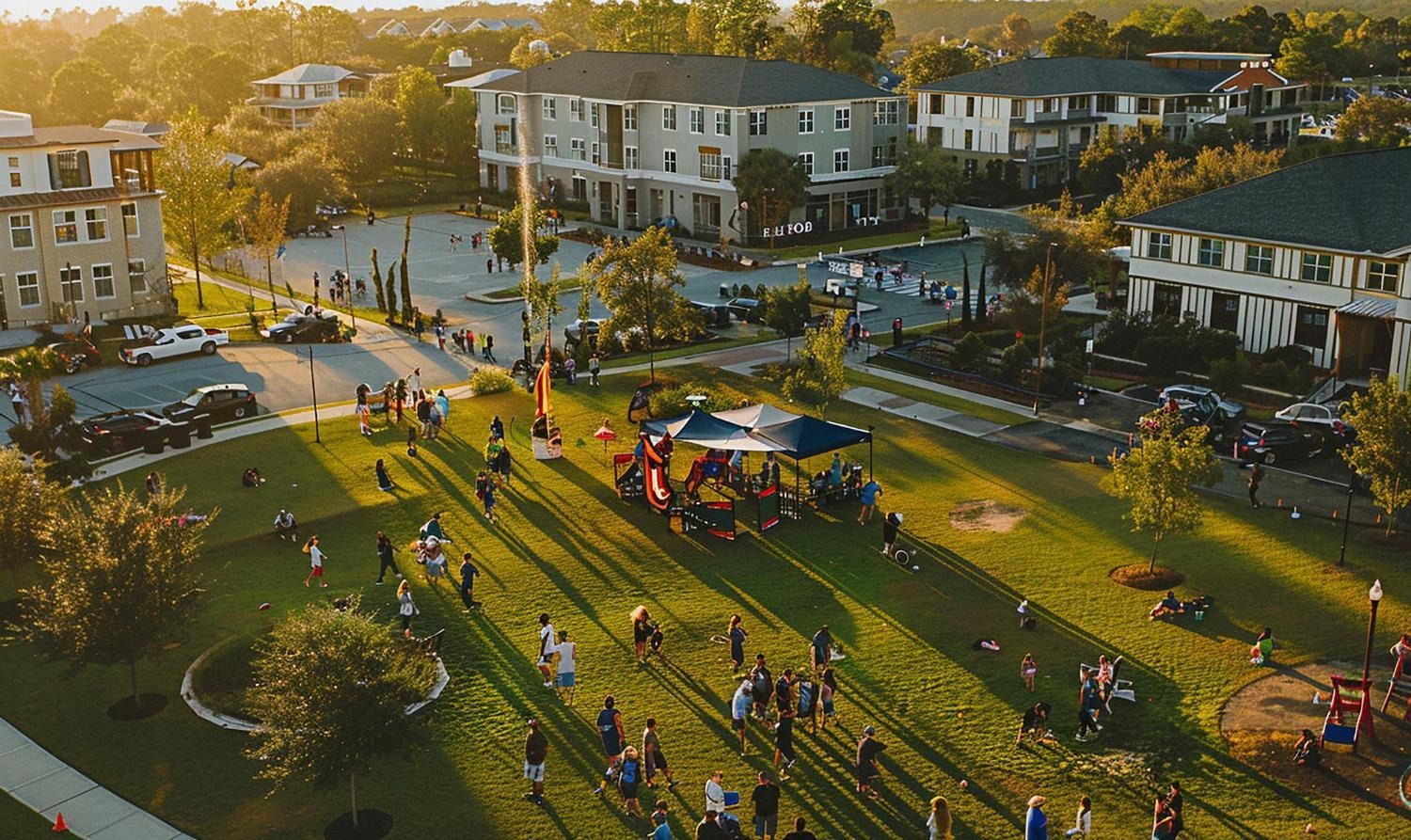
Maintenance is often the most visible aspect of this structure. Regular upkeep of shared spaces, such as walkways, recreational areas, and exterior features, requires planning, oversight, and responsiveness. Delays or inconsistencies in these areas can impact not only appearance but also safety and resident satisfaction.
Equally important is financial management. Transparent budgeting, reserve planning, and responsible allocation of funds ensure that communities can address both immediate needs and long-term improvements without disruption.
Beyond physical upkeep, communication plays a defining role in how communities function. Residents expect timely updates, clear guidelines, and accessible channels for raising concerns or requests. When communication is fragmented or inconsistent, it can create confusion and reduce trust within the community.
Effective systems prioritize clarity and accessibility. Whether through digital platforms, scheduled updates, or structured processes for handling requests, communication frameworks help maintain alignment between residents and those responsible for managing the community. This level of organization becomes even more important in larger developments, where coordination across multiple stakeholders is required to maintain consistency.
Modern homeowners are increasingly attentive to the quality of their living environments. Expectations now extend beyond basic maintenance to include responsiveness, transparency, and a sense of community cohesion.
As a result, management practices have evolved to reflect these priorities. Communities are placing greater emphasis on service quality, proactive planning, and the ability to address issues before they escalate. This shift reflects a broader understanding that well-managed environments contribute directly to resident satisfaction and long-term stability.
In regions with high-density housing and competitive real estate markets, such as areas requiring HOA management in Orange County, these expectations are even more pronounced. Structured oversight, consistent standards, and efficient processes help ensure that communities remain both desirable and functional over time. This level of organization supports not only day-to-day living but also the broader perception and value of the neighborhood.
One of the more nuanced aspects of community management is finding the balance between maintaining standards and allowing for flexibility. Guidelines and regulations are essential for preserving consistency, but they must also be applied in a way that considers individual circumstances.
Communities that achieve this balance tend to foster stronger relationships among residents. When systems are both structured and adaptable, they create an environment where expectations are clear, yet responsive to real-world situations. This balance is particularly important in diverse communities, where varying needs and preferences must be considered without compromising overall cohesion.
Insights from the U.S. Census Bureau indicate that a growing share of housing in the United States is part of planned developments or communities with structured oversight. This trend reflects the increasing reliance on organized management systems to support expanding residential environments.
As more homeowners become part of these communities, the importance of effective management becomes more evident. Data shows that well-maintained neighborhoods tend to retain value more consistently, highlighting the connection between operational systems and long-term property stability. These patterns reinforce the idea that community management is not simply a background function, it is a defining factor in how neighborhoods perform over time.
While curb appeal and location remain key drivers of property value, the condition and organization of a community play an equally significant role. Buyers often consider not just the home itself, but also the surrounding environment, including how well shared spaces are maintained and how effectively the community operates.
Consistent management helps prevent issues that could otherwise lead to deterioration or unexpected costs. By addressing maintenance proactively and planning for future needs, communities can maintain stability even as conditions change. Over time, this contributes to a more predictable and resilient housing environment, benefiting both current residents and future buyers.
The rise of planned communities reflects a broader shift in how people approach residential living. Convenience, consistency, and shared responsibility are increasingly valued, particularly in areas experiencing growth and development.
This shift has elevated the importance of systems that support these environments. From maintenance protocols to communication strategies, each element plays a role in shaping the overall experience of living within a community. As expectations continue to evolve, the demand for organized, responsive management is likely to grow alongside it.
Well-kept neighborhoods often give the impression of simplicity, but behind that appearance is a network of processes designed to keep everything running smoothly. From scheduling maintenance to managing finances and facilitating communication, these systems form the foundation of a stable and functional community.
For homeowners, understanding this structure provides valuable insight into what sustains long-term quality. For developers and planners, it highlights the importance of integrating management strategies early in the process. Ultimately, the success of a neighborhood is not defined solely by its design or location, but by the systems that support it every day.