Coastal living has always carried a certain appeal, open air, natural light, and a connection to the outdoors that feels effortless. But as homeowners spend more time thinking about how their spaces function, particularly in regions like Downbeach where outdoor areas are a central part of daily life, expectations are shifting. It’s no longer enough for a patio or deck to simply exist. It needs to be usable, comfortable, and adaptable throughout the day.
One of the most noticeable changes in recent years is the growing emphasis on shade. Not as an afterthought, but as a defining element of how outdoor spaces are designed and experienced.
Traditionally, outdoor areas were treated as extensions of the home that were used occasionally, weekend gatherings, summer barbecues, or quiet evenings when the weather allowed. Today, that mindset is evolving. Outdoor spaces are increasingly viewed as functional living areas, expected to support everything from remote work to family meals and social gatherings.
This shift brings new challenges. Direct sun exposure, fluctuating temperatures, and changing weather conditions can quickly limit how long a space remains comfortable. Without proper shade, even the most beautifully designed patio can become underutilized.
That’s where more intentional solutions come into play. Instead of relying on temporary fixes, homeowners are investing in permanent structures that provide both comfort and consistency.
Effective outdoor design now revolves around flexibility. Spaces need to adapt throughout the day, offering protection during peak sunlight while still allowing openness when conditions are ideal. Shade structures play a central role in achieving this balance.
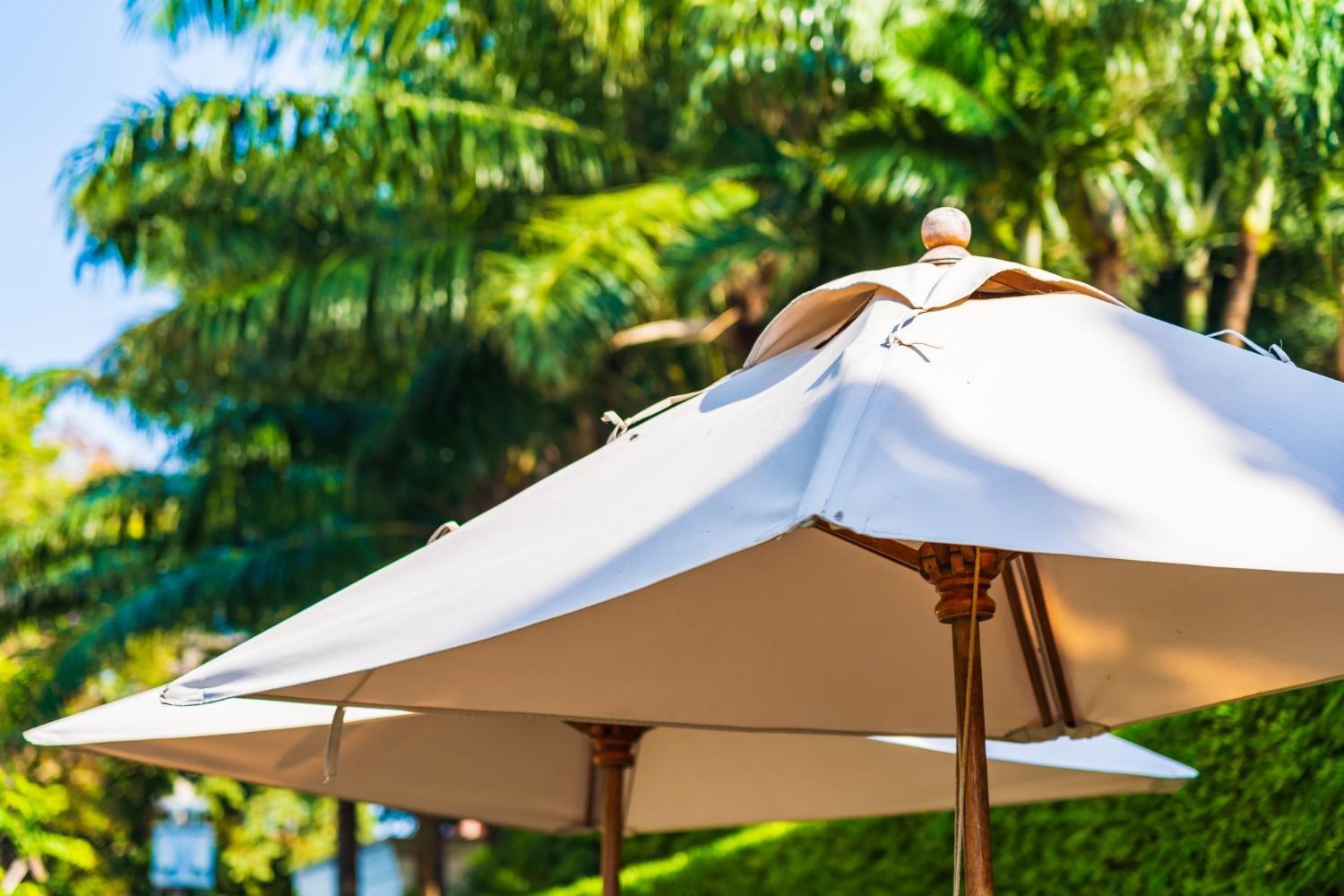
Retractable awnings, for example, offer a level of control that static coverings cannot. They allow homeowners to adjust their environment based on time of day, season, or specific needs. This adaptability makes outdoor areas far more practical for everyday use.
In regions where sun exposure can be intense during summer months, the ability to create shaded zones transforms how a space is used. It allows for longer, more comfortable periods outdoors without sacrificing the open feel that makes coastal living so appealing.
Providers such as Venango Awnings are part of this broader movement toward more refined outdoor solutions. By focusing on durability, design integration, and functionality, this type of offering reflects how outdoor comfort is becoming a priority rather than a luxury.
Beyond comfort, these upgrades also influence how homeowners perceive the value of their property. Outdoor living spaces are no longer secondary features, they are selling points. A well-designed patio with effective shading can significantly enhance both usability and appeal.
For homeowners who entertain frequently or simply want to make better use of their space, the difference is immediate. Shaded areas encourage longer gatherings, more frequent use, and a greater sense of connection to the home environment.
There’s also a practical side to consider. Shade solutions help protect furniture, reduce indoor heat gain, and contribute to overall energy efficiency. By limiting direct sunlight entering the home, they can ease the load on cooling systems during warmer months.
The emphasis on livable outdoor spaces is not just a trend, it reflects broader changes in how people interact with their homes. As daily routines become more flexible, the boundaries between indoor and outdoor living continue to blur.
According to the National Association of Home Builders, outdoor living features consistently rank among the most desired home upgrades, with shade structures, patios, and covered seating areas leading homeowner priorities. This highlights a clear shift toward designing spaces that support comfort, usability, and long-term value.
In coastal communities, where the outdoor environment is a defining feature, this trend is even more pronounced. Homeowners are not just looking to enhance aesthetics, they are investing in functionality that aligns with how they actually live.
What sets modern outdoor spaces apart is intention. Every element, from seating arrangements to shading systems,is chosen with purpose. The goal is to create an environment that feels cohesive, comfortable, and adaptable.
Rather than adding features incrementally, homeowners are thinking holistically about how their outdoor areas function. Shade becomes part of the overall design strategy, integrated seamlessly rather than applied as an afterthought.This approach results in spaces that feel more complete. They invite use rather than limit it, offering comfort without compromising on openness or style.
As design priorities continue to evolve, it’s clear that outdoor spaces will play an even greater role in how homes are experienced. The shift toward comfort, flexibility, and usability is not temporary, it reflects a deeper change in expectations.
For coastal homeowners, this means rethinking how outdoor areas are structured and supported. Shade solutions, in particular, will continue to be a key part of that conversation, shaping spaces that are not only visually appealing but genuinely livable.
In the end, redefining outdoor living is not about adding more features. It’s about making the space work better, for everyday life, for changing conditions, and for the way people actually want to use their homes.