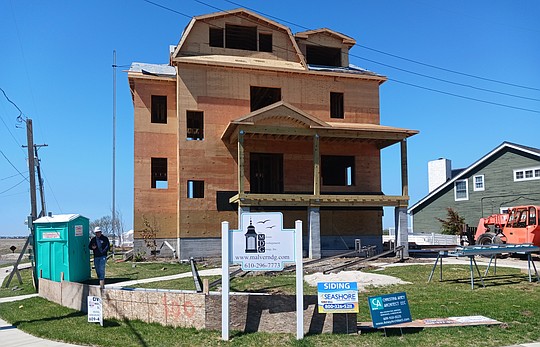

Coastal living offers a lifestyle that many aspire to, open views, fresh air, and a close connection to nature. But homes in areas like Downbeach also face a unique set of challenges. Salt air, humidity, wind exposure, and seasonal temperature shifts all contribute to gradual wear and tear.
As a result, maintaining and upgrading a coastal property isn’t just about aesthetics, it’s about preserving value, comfort, and long-term durability. For homeowners looking to make meaningful improvements, the key is to focus on upgrades that balance practicality with return on investment.
Unlike inland properties, coastal homes are constantly exposed to environmental stress. Moisture can affect structural elements, salt can accelerate corrosion, and strong winds can impact windows, doors, and roofing systems. Over time, even well-built homes begin to show signs of strain.
This makes proactive maintenance essential. Rather than waiting for issues to escalate, homeowners benefit from identifying upgrades that strengthen resilience while enhancing everyday living. The goal is not just to repair, but to future-proof the home against ongoing environmental pressures.
Among all potential improvements, window replacement stands out as one of the most impactful. Windows influence everything from energy efficiency and indoor comfort to noise reduction and storm protection. In coastal areas, they also play a critical role in resisting moisture infiltration and maintaining structural integrity.
However, replacing windows is not a one-size-fits-all decision. Costs vary depending on materials, size, installation complexity, and performance features such as insulation or impact resistance. For homeowners planning this type of upgrade, using a handy tool to figure out the cost to replace your windows can provide valuable clarity early in the process, helping to align expectations with budget while comparing different options more effectively. Understanding these variables allows for smarter decision-making, ensuring that the upgrade delivers both immediate benefits and long-term value.
Energy efficiency is another key consideration, particularly in homes exposed to fluctuating coastal climates. Poor insulation, outdated windows, and air leaks can significantly increase heating and cooling costs over time.
Upgrading to energy-efficient windows and sealing vulnerable areas of the home can reduce energy consumption while improving comfort. According to the U.S. Department of Energy, heat gain and loss through windows are responsible for a substantial portion of residential energy use.
Addressing this issue not only lowers utility bills but also contributes to a more sustainable living environment. In coastal regions, where weather conditions can shift quickly, maintaining stable indoor temperatures becomes even more valuable.
Beyond windows, exterior materials play a major role in how well a home performs over time. Siding, roofing, and finishes must be able to withstand moisture, salt exposure, and UV radiation without degrading prematurely.
Modern materials such as fiber cement siding, composite decking, and corrosion-resistant metal fixtures are increasingly popular choices. They offer durability without sacrificing appearance, making them ideal for homeowners who want a low-maintenance solution that still enhances curb appeal. Investing in quality materials upfront can reduce the need for frequent repairs, ultimately saving both time and money.
Coastal homes are designed to embrace the outdoors, which makes exterior living spaces an important part of the overall property. Decks, patios, and screened porches extend usable space and create areas for relaxation and entertaining.
When designed thoughtfully, these additions can significantly increase property value. Features such as weather-resistant furniture, proper drainage systems, and durable flooring materials ensure that outdoor spaces remain functional throughout the year.
In many cases, improving these areas can have as much impact on lifestyle as interior upgrades.
Another often-overlooked aspect of home improvement is space management. Coastal homes, especially those used seasonally, tend to accumulate items like outdoor equipment, beach gear, and recreational tools.
Optimizing storage, whether through built-in solutions or off-site options, helps maintain a clean, organized interior. This not only improves day-to-day living but also enhances the perceived size and usability of the home. A well-organized space feels more intentional, which can influence both personal comfort and market appeal.
One of the most effective ways to approach home upgrades is to think beyond immediate concerns. Instead of focusing solely on current issues, homeowners benefit from considering how their needs might evolve over time.
Will the home need to accommodate remote work? More guests? Seasonal transitions? These questions can guide decisions around layout, insulation, and multi-functional spaces. Upgrades that support flexibility tend to deliver the greatest long-term value, particularly in dynamic environments like coastal communities.
Ultimately, adding value to a coastal property isn’t about making the most visible changes, it’s about making the most effective ones. Prioritizing upgrades that improve durability, efficiency, and usability ensures that every investment contributes to both lifestyle and resale potential.
From high-performance windows to resilient materials and well-designed outdoor spaces, each improvement plays a role in creating a home that is better equipped to handle the demands of coastal living.
With the right approach, homeowners can move beyond reactive maintenance and toward a more strategic, future-focused vision, one that keeps their property comfortable, efficient, and valuable for years to come.