There’s something uniquely energizing about spending a full day by the coast. Whether it’s a morning walk along the boardwalk, an afternoon swim, or simply time spent relaxing in the sun, coastal living encourages movement, connection, and long stretches outdoors. But with that energy expenditure comes a practical challenge that many people underestimate: staying properly fueled throughout the day.
Unlike structured indoor routines, beach days are fluid. Meals are often delayed, options are limited, and convenience tends to outweigh nutritional value. That’s where smarter snacking becomes essential, not just for maintaining energy, but for supporting overall wellbeing.
When you’re outside for extended periods, your body uses more energy than you might expect. Walking on sand, swimming, or even prolonged sun exposure can increase fatigue levels. Without consistent fuel, it’s easy to experience dips in energy that affect mood, focus, and physical comfort.
This is why snacks play a more important role than they typically do in everyday routines. Rather than filling gaps between meals, they become a primary source of sustained energy.
However, not all snacks are created equal. Options that are high in refined sugars or simple carbohydrates may provide a quick boost, but they often lead to equally quick crashes. For long, active days, the goal is steady, reliable energy, and that comes from more balanced nutritional choices.
A well-rounded snack should do more than just satisfy hunger. It should help stabilize blood sugar, support muscle function, and keep you feeling full for longer periods. Protein plays a key role in achieving this balance.
In recent years, there has been growing interest in plant-based options that provide both nutrition and convenience. Resources highlighting practical choices, such as curated lists of high protein vegan snacks, reflect how people are rethinking what it means to snack well. Instead of relying on traditional processed options, more individuals are exploring combinations of nuts, seeds, legumes, and whole grains that deliver both flavor and functionality.
These types of snacks are particularly well suited for beach environments. They are often easy to transport, less perishable, and capable of sustaining energy over longer periods.
One of the biggest challenges of outdoor eating is convenience. It’s tempting to reach for whatever is readily available, especially when refrigeration or preparation space is limited. But with a bit of planning, it’s possible to strike a balance between ease and quality.
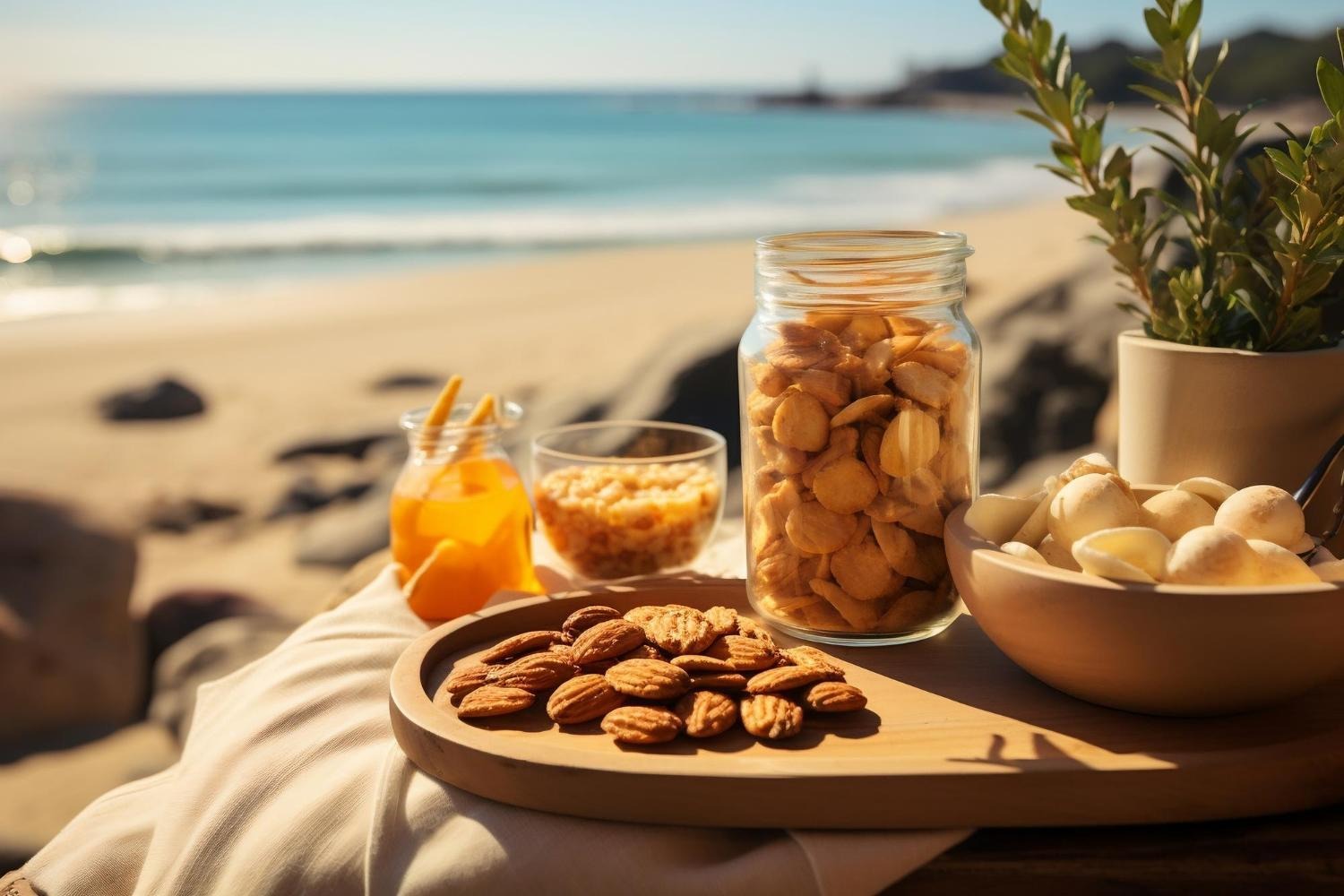
Portable options like trail mixes, roasted chickpeas, protein-rich bars, or homemade wraps can all be prepared ahead of time. These choices reduce reliance on boardwalk food stands or last-minute purchases, which are often higher in salt, sugar, and processed ingredients.
Hydration is another important factor that often goes overlooked. Snacks that include water-rich components, such as fruits paired with protein sources, can help support hydration while also providing nutrients.
The growing focus on healthier snacking habits is not happening in isolation. It reflects a broader shift in how people approach food, particularly in lifestyle-oriented environments like coastal communities.
According to the Harvard T.H. Chan School of Public Health, diets that emphasize plant-based proteins, whole foods, and balanced nutrient intake are associated with improved energy levels, better metabolic health, and reduced risk of chronic conditions. This aligns with the increasing demand for snacks that offer both convenience and nutritional value.
For individuals spending long days outdoors, these benefits are particularly relevant. Stable energy levels, improved hydration, and better overall nutrition contribute directly to a more enjoyable and sustainable experience.
One of the misconceptions about healthy eating is that it requires significant effort or strict planning. In reality, small adjustments can make a meaningful difference. Swapping out highly processed snacks for more balanced alternatives doesn’t require a complete lifestyle overhaul, it simply requires awareness.
For example, pairing carbohydrates with protein can help slow digestion and provide more sustained energy. Choosing snacks with minimal added sugars reduces the likelihood of energy crashes. Keeping portions balanced prevents overeating while still ensuring adequate fuel. These principles are simple, but they are effective, especially in environments where energy demands fluctuate throughout the day.
Ultimately, the goal is not to eliminate convenience, but to redefine it. A convenient snack should not just be easy to grab, it should also support how you want to feel. When snacks are chosen with intention, they become part of a broader approach to wellness rather than a temporary fix for hunger.
For those who regularly spend time by the coast, this shift can have a noticeable impact. Days feel more balanced, energy levels remain steady, and the overall experience becomes more enjoyable.
Coastal living is about more than scenery, it’s about how people move, connect, and spend their time. Supporting that lifestyle requires more than just planning activities; it requires thinking about how the body is fueled throughout the day.
By choosing snacks that prioritize balance, nutrition, and practicality, it becomes easier to stay energized without sacrificing enjoyment. And in a setting where the goal is to make the most of every moment, that kind of consistency makes all the difference.